
-
 +977 9851081841 (Cell/WhatsApp/Viber)
-
 Email : info@nepaltoursdestination.com
Everest High Passes Trek
The Everest High Passes Trek is an extraordinary adventure, offering stunning landscapes, an authentic Himalayan experience, and the thrill of crossing high-altitude passes.
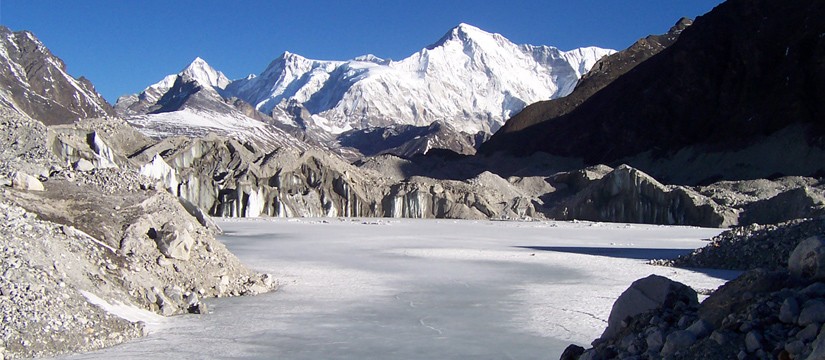
The Everest High Passes Trek is one of the most challenging and rewarding trekking routes in the Everest region. It combines the iconic Three Passes Trek with additional highlights, taking trekkers through some of the most stunning landscapes and offering spectacular views of Mount Everest, Lhotse, Makalu, Cho Oyu, and other Himalayan peaks. This trek involves crossing three high passes-Kongma La (5,535m), Cho La (5,420m), and Renjo La (5,388m) and provides a more remote and adventurous experience compared to the classic Everest Base Camp Trek.
Duration: 17-20 Days
Difficulty: Challenging
Best Time to Trek: March to May, September to November
Maximum Altitude: 5,545 meters (Kala Patthar)
Starting Point: Lukla (2,840 meters)
Ending Point: Lukla (2,840 meters)
Highlights of the Everest High Passes Trek
-
Stunning Views of the Everest Region:
- Experience panoramic views of towering peaks, including Mount Everest, Lhotse, Makalu, Cho Oyu, Ama Dablam, and Nuptse.
- The trek offers unparalleled vistas from famous spots like Kala Patthar (5,545m), Gokyo Ri (5,357m), and the high passes of Kongma La, Cho La, and Renjo La.
-
Three High Passes:
- The Kongma La Pass (5,535m), Cho La Pass (5,420m), and Renjo La Pass (5,388m) are the key features of this trek. These crossings provide a sense of adventure and a real Himalayan challenge.
-
Gokyo Lakes and Gokyo Ri:
- Visit the beautiful Gokyo Lakes, a series of sacred alpine lakes, and hike to Gokyo Ri for a breathtaking view of the Everest range and other Himalayan peaks.
-
Everest Base Camp and Kala Patthar:
- Trek to the iconic Everest Base Camp and hike to Kala Patthar for one of the best sunrise views over Mount Everest.
-
Sherpa Culture:
- Explore vibrant Sherpa villages like Namche Bazaar, Tengboche, and Dingboche, experiencing the rich culture, monasteries, and hospitality of the Sherpa people.
-
Remote and Less Crowded:
- Unlike the classic Everest Base Camp Trek, this trek takes you to less crowded areas, offering a more peaceful and remote experience.
Safety Tips for Everest High Passes Trek
-
Altitude Sickness Prevention:
- Acclimatization is key—follow a slow and steady pace. Ensure you have rest days at Namche Bazaar, Dingboche, and Gokyo to allow your body to adjust to the altitude.
- Hydrate frequently and avoid alcohol to reduce the risk of altitude sickness.
- If you experience symptoms such as headaches, dizziness, or nausea, inform your guide and descend immediately to lower altitudes.
-
Guides and Porters:
- Trekking with an experienced guide is strongly recommended, as they will ensure your safety, assist with navigation, and handle emergencies.
- Consider hiring a porter to carry your heavy luggage, as trekking in the high mountains can be physically demanding.
-
Weather Awareness:
- The weather in the Everest region can change rapidly, so be prepared for cold temperatures, strong winds, and snowstorms, especially when crossing the high passes.
- Always check the weather forecast before trekking over the passes.
-
Proper Gear:
- Layered clothing: Bring a mix of base layers, mid-layers, and insulated outer layers to stay warm at higher altitudes.
- Waterproofs: Ensure you have a good rain jacket and pants, especially when trekking through potentially wet areas near the passes.
- Headlamps: A good quality headlamp is essential for trekking in the early morning or late evening.
Health Tips for Everest High Passes Trek
-
Hydration:
- At higher altitudes, it’s easy to become dehydrated. Drink at least 3-4 liters of water daily to stay hydrated. You can also drink hot drinks like tea or soup to stay warm and hydrated.
-
Food and Nutrition:
- Eat a well-balanced diet to fuel your body for the demanding trek. Include high-energy foods like nuts, chocolates, energy bars, and carbohydrates.
- Stick to cooked food in the higher altitudes to minimize the risk of foodborne illness.
-
First Aid Kit:
- Carry a basic first aid kit with essentials such as painkillers, bandages, antiseptic creams, and remedies for altitude sickness like Diamox (after consulting with a doctor).
- A thermometer and glucose tablets can help manage symptoms of altitude sickness.
-
Avoiding Exhaustion:
- Don’t push yourself too hard; take regular breaks, and listen to your body.
- Trek at a slow and steady pace to avoid overexertion. Getting enough rest is essential to prevent fatigue and avoid altitude-related problems.
-
Sleep and Rest:
- Ensure you get adequate sleep each night. Sleep at higher altitudes can be harder to achieve, but it’s essential for acclimatization and recovery.
- Make sure to rest on acclimatization days to allow your body to recover and adjust.
Day 1: Arrival in Kathmandu
- Accommodation: Hotel in Kathmandu
- Highlights: Arrival and orientation for the trek, including a briefing by the guide and a check of gear and permits.
Day 2: Flight from Kathmandu to Lukla, Trek to Phakding
- Flight Time: 35 minutes from Kathmandu to Lukla
- Trekking Time: 3-4 hours
- Altitude: Lukla (2,840m) to Phakding (2,610m)
- Accommodation: Tea house in Phakding
- Highlights: Scenic flight to Lukla, then trek through forests and Sherpa villages along the Dudh Koshi River.
Day 3: Trek from Phakding to Namche Bazaar
- Trekking Time: 5-6 hours
- Altitude: Phakding (2,610m) to Namche Bazaar (3,440m)
- Accommodation: Tea house in Namche Bazaar
- Highlights: Cross several suspension bridges, ascend steep trails, and arrive in the vibrant market town of Namche Bazaar.
Day 4: Acclimatization Day in Namche Bazaar
- Accommodation: Tea house in Namche Bazaar
- Highlights: Explore the town and take a short hike to Syangboche or Khumjung for panoramic views of Everest, Lhotse, and Ama Dablam.
Day 5: Trek from Namche Bazaar to Tengboche
- Trekking Time: 5-6 hours
- Altitude: Namche Bazaar (3,440m) to Tengboche (3,860m)
- Accommodation: Tea house in Tengboche
- Highlights: Trek through beautiful forests, with great views of Everest, Lhotse, and Ama Dablam. Visit the Tengboche Monastery, an important cultural landmark.
Day 6: Trek from Tengboche to Dingboche
- Trekking Time: 5-6 hours
- Altitude: Tengboche (3,860m) to Dingboche (4,410m)
- Accommodation: Tea house in Dingboche
- Highlights: As you trek higher, the landscape becomes more rugged. You’ll get views of Ama Dablam and Island Peak.
Day 7: Acclimatization Day in Dingboche
- Accommodation: Tea house in Dingboche
- Highlights: Take a day hike to Nagarjun Hill or Chukhung Ri for better acclimatization and stunning views of the Everest massif.
Day 8: Trek from Dingboche to Chukhung
- Trekking Time: 3-4 hours
- Altitude: Dingboche (4,410m) to Chukhung (4,730m)
- Accommodation: Tea house in Chukhung
- Highlights: Short trek to Chukhung, a small village surrounded by towering peaks. Chukhung is a base for climbing Island Peak.
Day 9: Trek from Chukhung to Kongma La Pass and Lobuche
- Trekking Time: 7-8 hours
- Altitude: Chukhung (4,730m) to Kongma La (5,535m) to Lobuche (4,940m)
- Accommodation: Tea house in Lobuche
- Highlights: Cross the Kongma La Pass (5,535m), one of the highest points of the trek, offering fantastic views of the surrounding peaks.
Day 10: Trek from Lobuche to Gorak Shep
- Trekking Time: 3-4 hours
- Altitude: Lobuche (4,940m) to Gorak Shep (5,164m)
- Accommodation: Tea house in Gorak Shep
- Highlights: The trail follows the Khumbu Glacier to reach Gorak Shep, the final stop before Everest Base Camp.
Day 11: Trek to Everest Base Camp and return to Gorak Shep
- Trekking Time: 7-8 hours
- Altitude: Gorak Shep (5,164m) to Everest Base Camp (5,364m) and return to Gorak Shep
- Accommodation: Tea house in Gorak Shep
- Highlights: Visit Everest Base Camp for breathtaking views of the Khumbu Icefall and surrounding peaks.
Day 12: Hike to Kala Patthar for Sunrise, Descend to Dzongla
- Trekking Time: 7-8 hours
- Altitude: Gorak Shep (5,164m) to Kala Patthar (5,545m) to Dzongla (4,830m)
- Accommodation: Tea house in Dzongla
- Highlights: Hike to Kala Patthar for a sunrise view of Everest and surrounding peaks, then descend to Dzongla.
Day 13: Trek from Dzongla to Cho La Pass, then to Gokyo
- Trekking Time: 7-8 hours
- Altitude: Dzongla (4,830m) to Cho La Pass (5,420m) to Gokyo (4,800m)
- Accommodation: Tea house in Gokyo
- Highlights: Cross Cho La Pass (5,420m), a challenging but rewarding pass, then descend to Gokyo, a beautiful settlement by the lakes.
Day 14: Explore Gokyo and Hike Gokyo Ri
- Accommodation: Tea house in Gokyo
- Highlights: Explore the stunning Gokyo Lakes and hike to Gokyo Ri (5,357m) for panoramic views of Everest, Makalu, and Cho Oyu.
Day 15: Trek from Gokyo to Renjo La Pass, then to Lungden
- Trekking Time: 7-8 hours
- Altitude: Gokyo (4,800m) to Renjo La Pass (5,388m) to Lungden (4,380m)
- Accommodation: Tea house in Lungden
- Highlights: Cross the Renjo La Pass (5,388m), offering spectacular views of the surrounding peaks and glaciers, then descend to Lungden.
Day 16: Trek from Lungden to Namche Bazaar
- Trekking Time: 6-7 hours
- Altitude: Lungden (4,380m) to Namche Bazaar (3,440m)
- Accommodation: Tea house in Namche Bazaar
- Highlights: Descend through the lush forests of the lower Khumbu region, passing through traditional Sherpa villages.
Day 17: Trek from Namche Bazaar to Lukla
- Trekking Time: 6-7 hours
- Altitude: Namche Bazaar (3,440m) to Lukla (2,840m)
- Accommodation: Tea house in Lukla
- Highlights: A pleasant trek through the Dudh Koshi River valley back to Lukla.
Day 18: Flight from Lukla to Kathmandu
- Flight Time: 35 minutes
- Highlights: Scenic flight from Lukla to Kathmandu, concluding your Everest High Passes Trek.
Day 19: Departure
- Free till departure
- Drop to airport, fly back to home or onward destination.
Cost Includes
- All transport as per in itinerary.
- Twin share hotel accommodation in Kathmandu & Pokhara on BB (Bed & breakfast) basis.
- Twin share or multi share basic lodge accommodation on trek.
- All meals (Breakfast, Lunch & Dinner) during the trekking.
- Conservation/Entrance fees & Trekking permit (TIMS).
- 1 Porters on each 2 trekkers to carry personal gear
- English speaking trekking guide
- Comprehensive medical kit
Cost Excludes
- International Flight & Domestic flight ticket (optional).
- Nepal visa fees (USD 30.00 for 15 days multiple entry - available on arrival).
- Personal expenses such as drinks, postage, laundry.
- Lunch & Dinner in Kathmandu.
- Travel insurance.
- Emergency evacuation.
- Tips and gratuities.
- Costs arising from unforeseen events outside the control of our company.
Trip Facts
Trip Code
EHPT
Trip Duration
19 Days
Group Size
2-16
Accomodation
Teahouses
Max Altitude
5545m.
Best Season
March-May, Sept.-Nov.
Trip Difficulty
Challenging
Starts In
Kathmandu
Ends In
Kathmandu

Trip Route Map
Quick Contact
Please feel free to contact us, and we will get back to you within 24 hours.
Cell: +9779851081841 (WhatsApp, Viber, etc.)
Email: info@nepaltoursdestination.com or tournepal@gmail.com.
Why Travel with Us ?
- Local Expert Tour Operator
- Prompt Response
- Quality and Services
- Tailor-made Holidays
- Best Price Guaranteed
- Save time, money & hassle
Need assistance? Let’s talk!
WhatsApp/Viber: +9779851081841
Email us at: info@nepaltoursdestination.com or tournepal@gmail.com
RELATED TOUR PACKAGES
$1390

Everest Base Camp Trek
Trekking to the Everest Base Camp is one of the popular trek in the Everest Region. This trek has...
0 Reviews
16 Days
$870

Everest Panorama Trek
Everest panorama Trek, although relatively easy compared to some of other treks, takes you up high alon...
0 Reviews
10 Days

Gokyo Valley Trek
We take a flight to Lukla and begin our trek to Phakding and then the trail follows the route of Dudh Koshi River to the Gokyo Valley. This i...
0 Reviews
15 Days

Everest View Trek
It is another shortest trek in the Everest region. It is ideal for those who have short holiday in Nepal and want to see Mt. Everest and experience...
0 Reviews
8 Days